01 · The problem
What problem was Vachi trying to solve?
Vachi began with the ambition to build an AI chief of staff that could understand intent and reduce the mental burden of tracking unfinished work. Early small-business users validated the pain, but the broader product direction remained difficult to turn into the right long-term company.
- People carry unfinished tasks and ideas across disconnected tools.
- Capturing intent is easy; turning it into dependable follow-through is harder.
- Early user interest did not automatically resolve the long-term product direction.
02 · The solution
Test the pain through conversations and a focused product experiment.
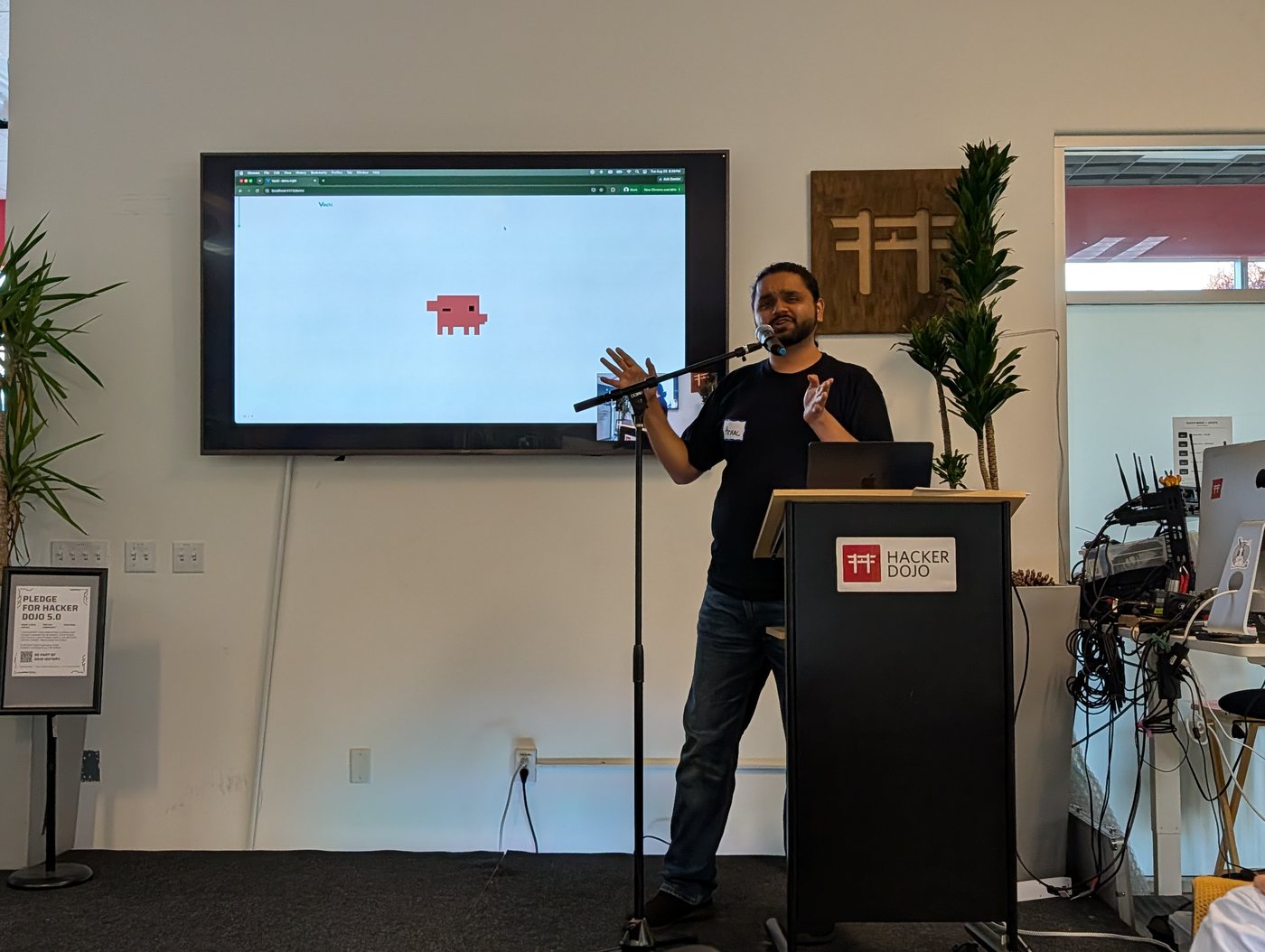
Achal and his team tested the problem through direct customer conversations and a voice-first brain-dump application. The product reached more than 100,000 downloads, yet the learning from those experiments led him to close that chapter instead of continuing on momentum alone.
03 · What was demonstrated
From customer discovery to a voice-first product
The talk broke the approach into a practical sequence:
- 1Interview small-business users
- 2Validate the mental-load problem
- 3Build a voice-first brain-dump experience
- 4Use market evidence to reassess the thesis
04 · The founder take
Traction is evidence, not an obligation to continue
Usage, effort, and affection for a product are not substitutes for founder conviction about the future. Stopping a product with visible traction can be the disciplined decision when the evidence changes the thesis.
Separate usage from conviction
A product can attract users without becoming the company a founder wants to build.
Revisit the thesis
Use experiments to test the business direction, not only feature demand.
Know when to stop
Closing a chapter can be disciplined execution when the evidence changes.
05 · Continue exploring