Past events
    Completed event

    September 1 at Hacker Dojo: A Hands-On GTM Workshop for Founders

    September 1, 2026Hacker Dojo, Mountain View
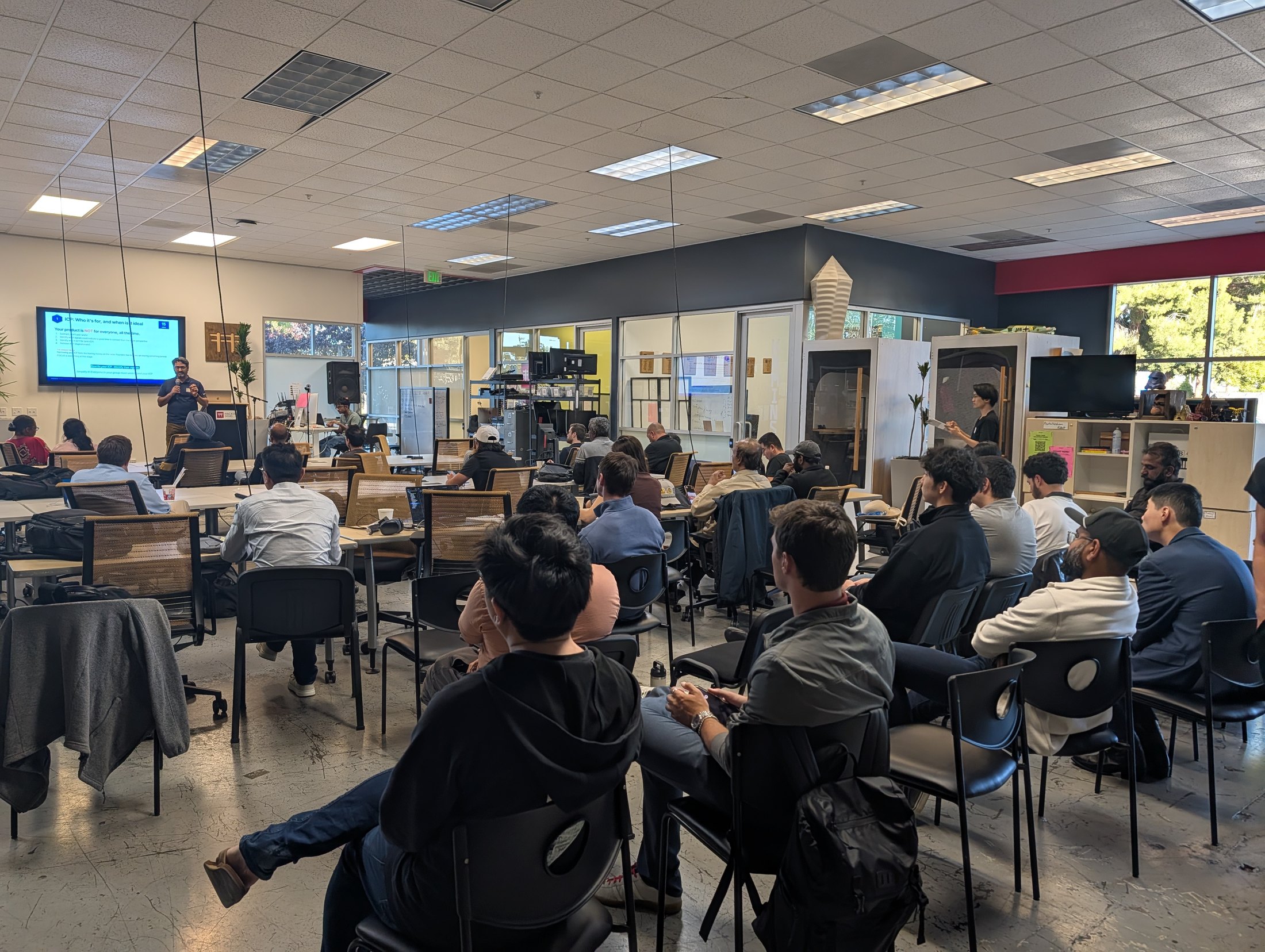
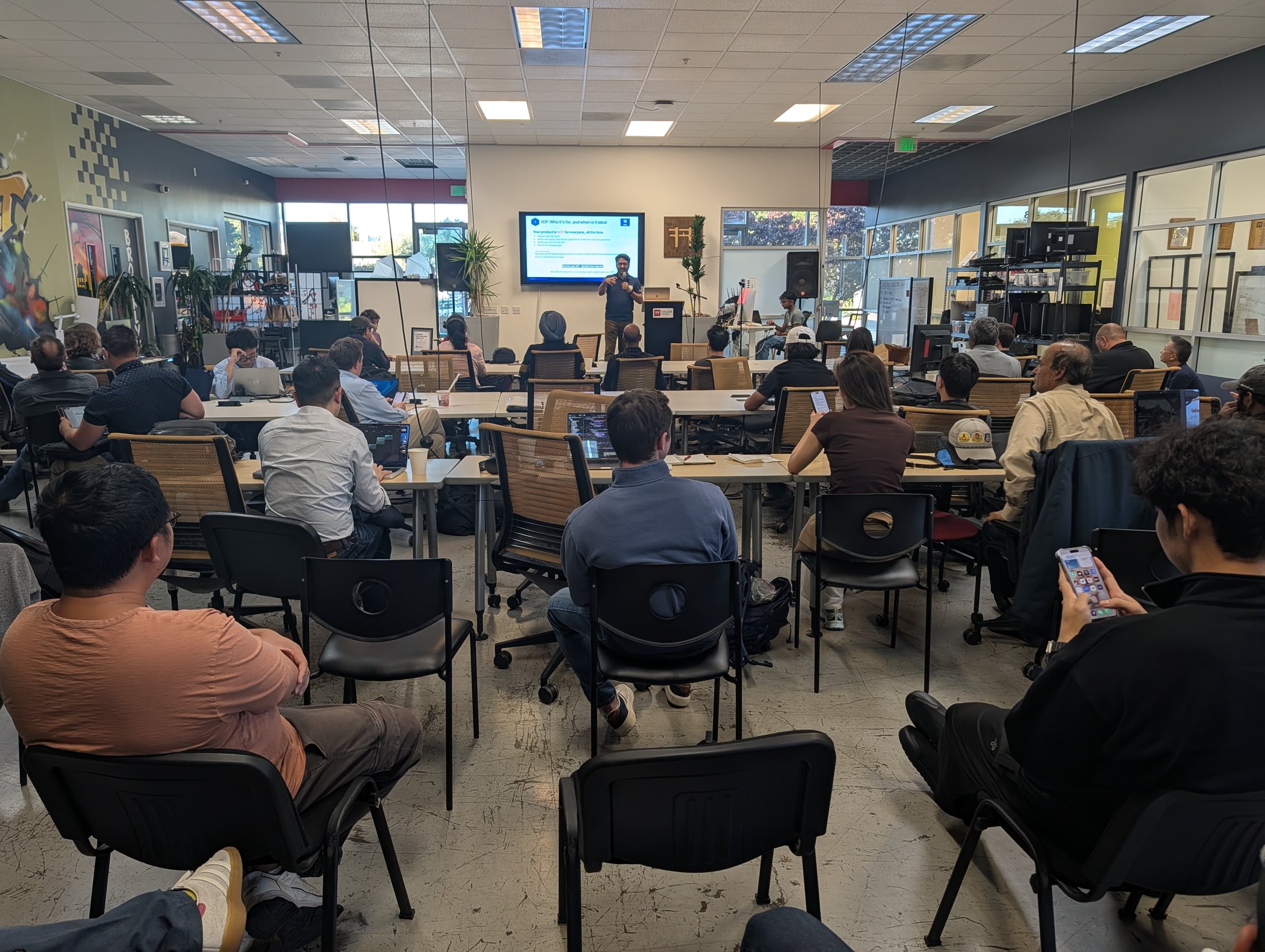
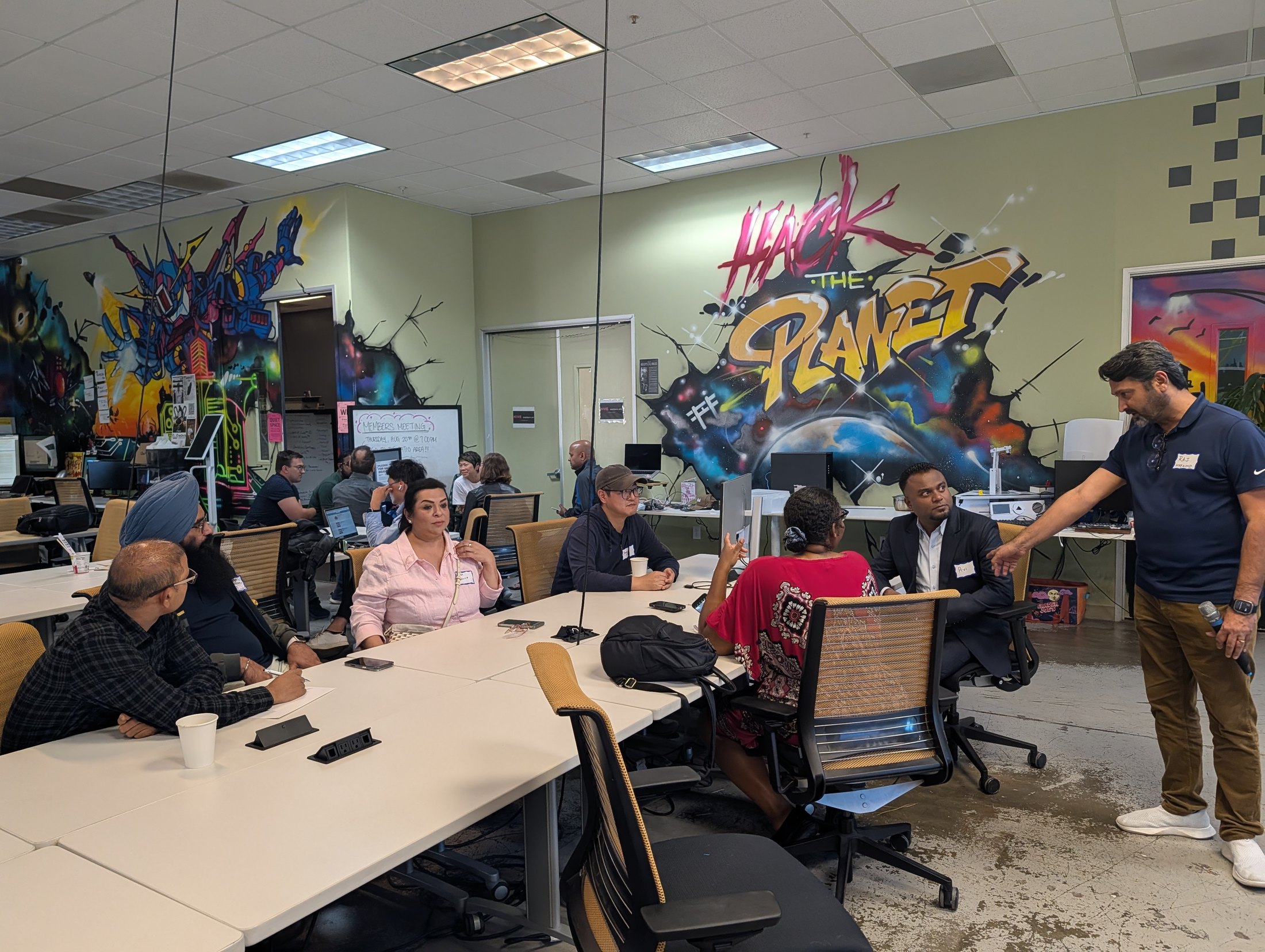
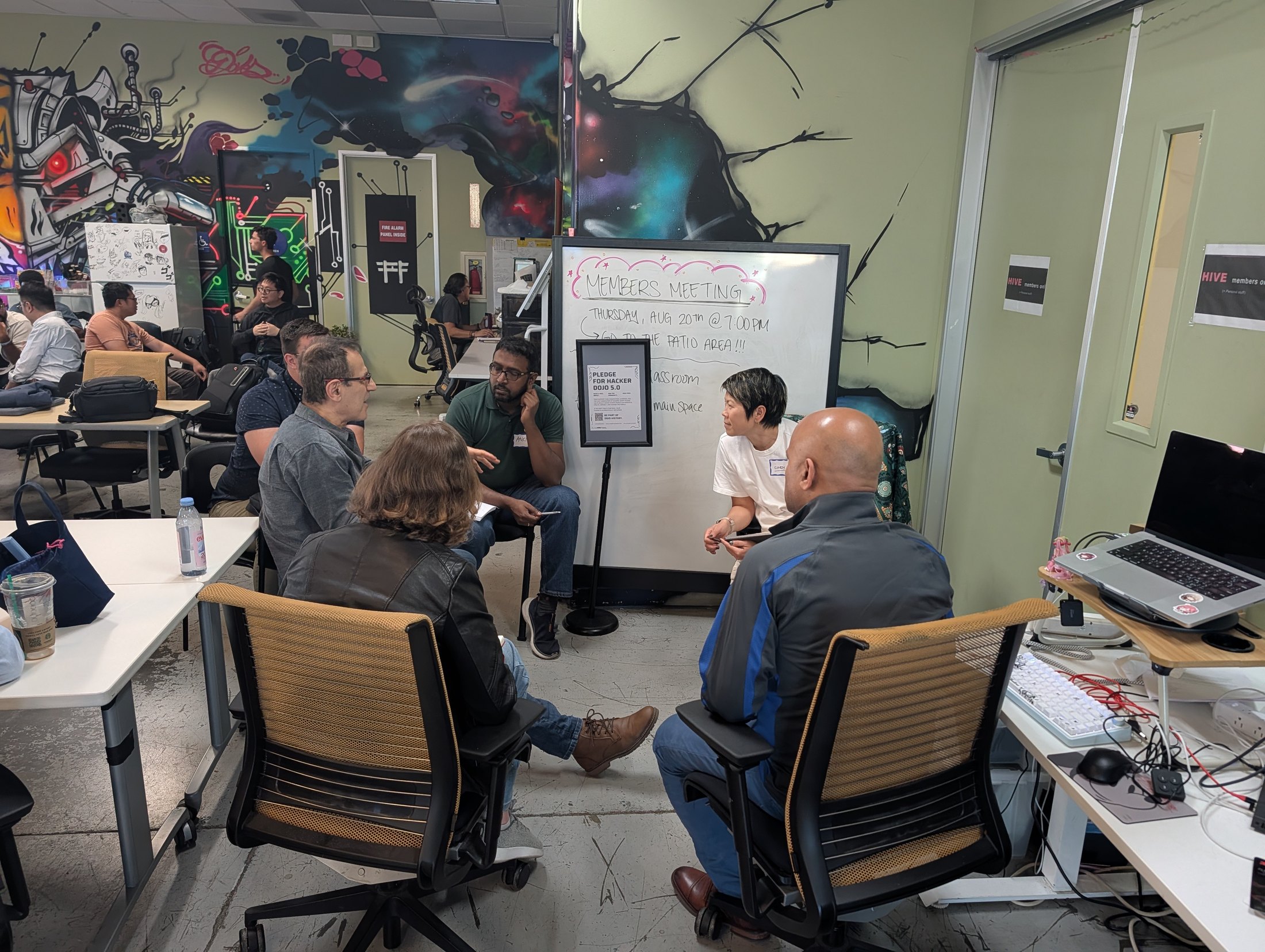
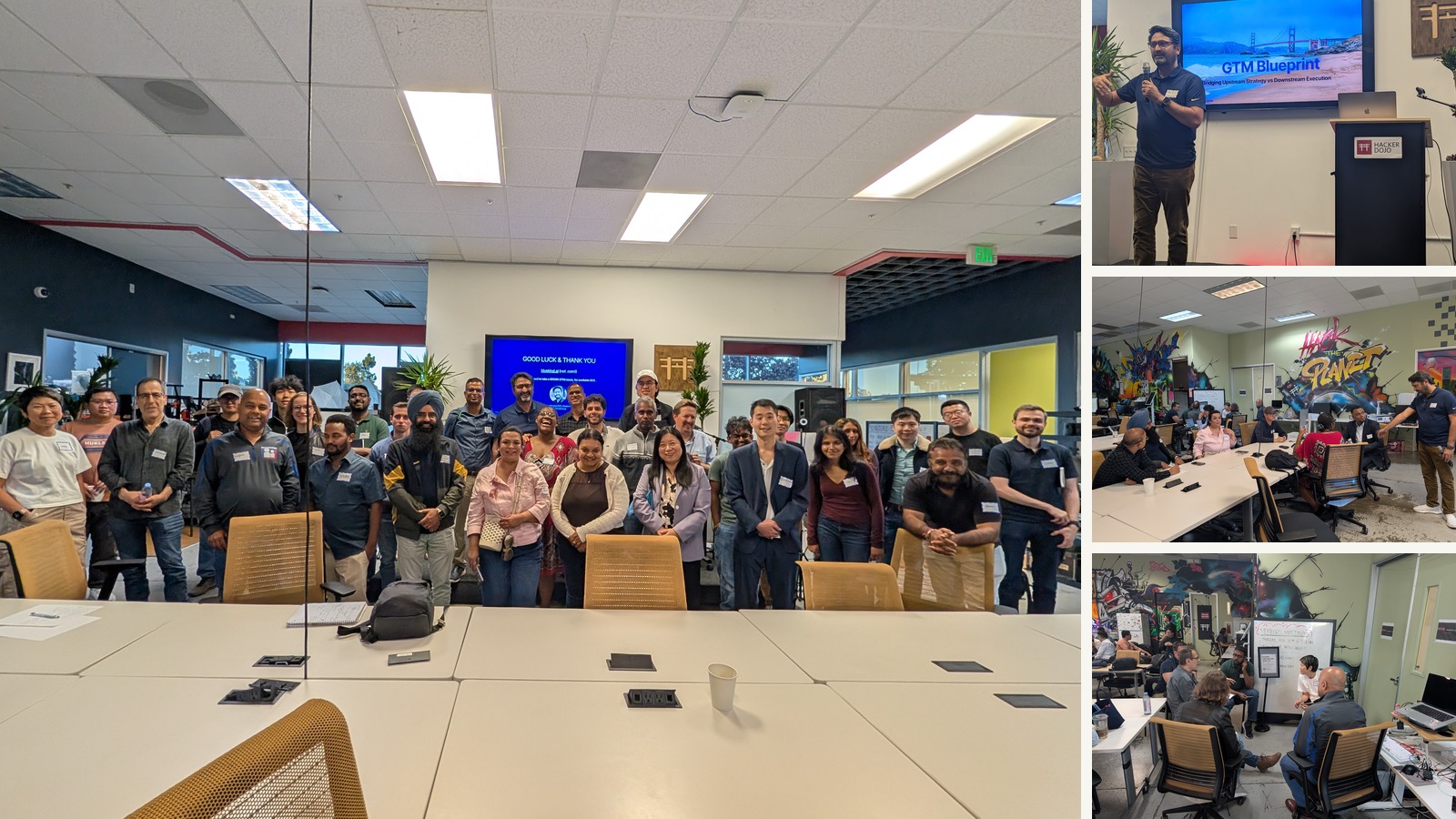
    Collage of the StartupA2Z September 1 GTM workshop, including the community, Raj Badarinath presenting, and small-group discussionsRead workshop recap

    What happened

    The event at a glance

    The most valuable part of the workshop was not a new sales tactic, marketing tool, or growth hack. It was learning to diagnose why go-to-market efforts fail before trying to scale them. Raj Badarinath guided founders through the decisions that must connect before more GTM activity can produce repeatable revenue.

    Diagnose the GTM decisions behind stalled revenue
    Define the ICP, buying signals, and anti-ICP
    Connect differentiation, category, positioning, and messaging
    Find and prove a focused 0-to-1 wedge before scaling

    Workshop recap

    Diagnose before trying to scale

    The workshop followed the GTM decisions in the order founders need to make them. The photographs below move with that story, from the framework in the room to the discussions around the tables.

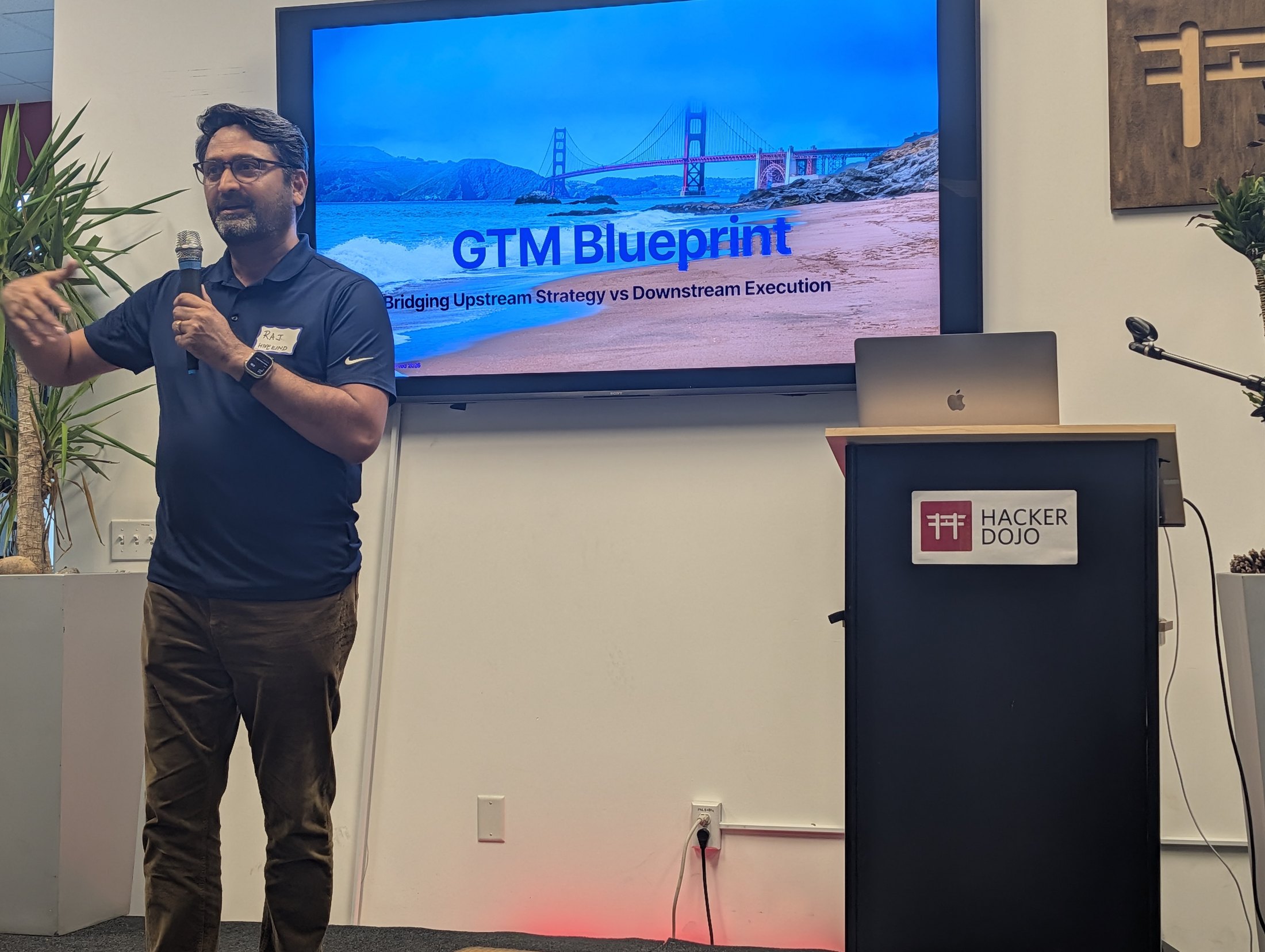
    Raj Badarinath introducing the GTM Blueprint during the StartupA2Z workshop
    Raj Badarinath introducing the GTM Blueprint during the StartupA2Z workshop

    01 · Start with diagnosis

    Why GTM efforts fail before they scale

    Raj did not begin with how to generate more leads. He began with the decisions underneath every sales and marketing motion: who the company is selling to, why that customer should care now, and why the customer should choose this solution.

    When those decisions are unclear, adding campaigns, tools, or sales activity does not fix the system. It amplifies the uncertainty already inside it.

    Have we made the right decisions about who we are selling to, why they should care, and why they should choose us?
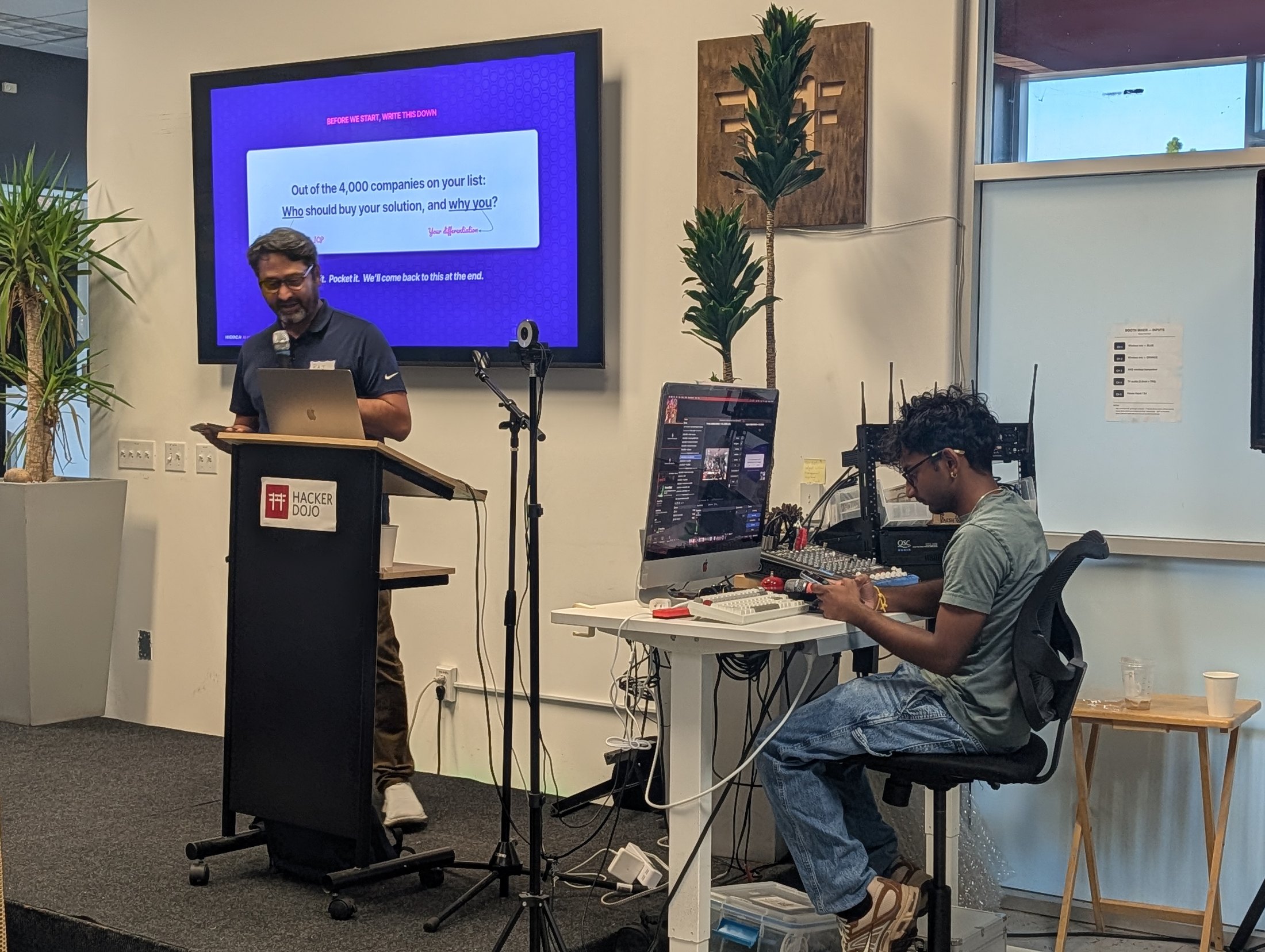
    A workshop exercise in progress during the StartupA2Z GTM session
    A workshop exercise in progress during the StartupA2Z GTM session

    02 · Choose the customer

    A useful ICP captures intensity and timing

    An Ideal Customer Profile is more than an industry, company size, and buyer title. It should identify the customer who experiences the problem intensely enough to buy and the observable signals that show the timing is right.

    The anti-ICP is equally important. Early-stage focus means deciding which plausible opportunities not to pursue, even when they look attractive.

    • Who feels the problem most intensely?
    • What event or signal makes the problem urgent now?
    • Which customers should the company deliberately ignore?
    Founders and operators participating in the StartupA2Z GTM workshop at Hacker Dojo
    Founders and operators participating in the StartupA2Z GTM workshop at Hacker Dojo

    03 · Earn differentiation

    If a competitor can say it too, it is table stakes

    Faster, easier, innovative, customer-focused, and powered by better technology often sound distinctive but are usually claims any credible competitor can make.

    Real differentiation gives the buyer a meaningful reason to choose one alternative over another. The test is whether the strongest competitor could make the same statement and still be telling the truth.

    Could your strongest competitor put the same statement on their website and still be telling the truth?
    A full-room view of the September 1 StartupA2Z workshop
    A full-room view of the September 1 StartupA2Z workshop

    04 · Create the right frame

    Category, positioning, and messaging must tell one story

    Buyers place products into categories they already understand and budgets they already control. Creating a new category can be powerful, but it also adds the burden of teaching the market why the category should exist.

    Positioning gives the buyer a useful mental shortcut: who the product is for, what problem it solves, and why this alternative is different. Messaging across websites, pitches, sales calls, LinkedIn posts, and decks should express those same decisions consistently.

    Founders discussing go-to-market ideas in a small working group
    Founders discussing go-to-market ideas in a small working group

    05 · Prove the wedge

    The 0-to-1 job is proof, not scale

    An early-stage company does not need a sophisticated demand-generation machine. It needs one specific type of customer, experiencing one sufficiently painful problem, at the right moment, and willing to pay for the solution.

    Only after that wedge works repeatedly does scaling the GTM engine make sense. Many apparent sales problems are actually unresolved customer, differentiation, category, or positioning problems earlier in the chain.

    Do not start with how to reach 10,000 prospects. Start with which 100 prospects should care deeply and why they should care right now.

    The founder sequence

    Make the decisions in the right order

    1. 01

      Find the right customer

    2. 02

      Understand the buying trigger

    3. 03

      Establish real differentiation

    4. 04

      Compete in the right category

    5. 05

      Position clearly

    6. 06

      Communicate consistently

    7. 07

      Prove the wedge

    8. 08

      Then scale

    Workshop framework

    The GTM Blueprint

    The framework connected the customer, buying trigger, differentiation, category, positioning, and message into one operating sequence.

    Workshop 01 · GTM Blueprint

    Bridging upstream strategy and downstream execution

    Raj Badarinath, workshop facilitator

    Raj Badarinath introducing the GTM Blueprint during the StartupA2Z workshop
    Raj Badarinath introducing the GTM Blueprint during the StartupA2Z workshop
    The problem
    A finished product does not automatically create revenue. Founders still need clarity about who is most likely to buy, why the problem matters now, what makes the offer different, and which existing budget the product competes for.
    What participants worked through
    The workshop organized those questions into a practical GTM blueprint. Participants connected customer definition, buyer signals, differentiation, category, and value communication instead of treating each as a separate marketing task.
    Workshop takeaway
    Go-to-market is not a promotion added after the product is built. It is a connected operating system that aligns the customer, problem, message, sales motion, and execution.

    Workshop in action

    Small-group discussions

    Founders discussing go-to-market ideas in a small working group
    A small-group discussion during the hands-on StartupA2Z workshop

    Key lessons

    What founders should remember

    • Diagnose the GTM system before adding more activity.
    • Define the customer, buying trigger, and anti-ICP before expanding the market.
    • Treat claims a competitor can also make as table stakes, not differentiation.
    • Align category, positioning, and messaging around one clear buyer story.
    • Prove a narrow, repeatable wedge before building the scale engine.
    • More activity applied to unclear positioning simply scales the confusion.